With the financial year ending last month it is that time in the year when many of us are writing our plans for the next year and bidding for funds! Over the next few days I will be outlining my five objectives for the next year within the Geography department. Happy reading!
1. Teaching & Learning
The primary target for improvement this year revolves around teaching & learning within Geography. We are proud of Geography’s achievements over the years but we do not want to be complacent and we must focus on our own teaching and how the students learn. As a department we want to teach the best we can and we are looking at our lessons and seeing where we can make improvements and implementing new teaching strategies. We must make our teaching experience more personal for the students and improve their independent study skills. This must be developed from KS3 onwards and carried on within the school.
This is your last week to vote for the UK Education Blog Awards 2011. The last chance to vote is 30th April. I am very pleased to say that I have been nominated. Thank you to everyone who has voted for my blog.
Why do I write a blog? Since I started writing my blog in January 2010, I have learnt and shared new ideas from many different teachers. I really enjoy sharing ideas with other practitioners and learning a new technique or way of doing something. Sometimes we are left to our own devices and perhaps we should be talking and sharing resources on a more regular basis.
For the last few years I have found blogs a great source to further my understanding and learn new skills as a teacher. I have always said that a teacher never stops learning. Just like our students we as teaching practitioners are constantly learning new techniques on improving our methods we use in the classroom. This is part of the reason why I love teaching, it is never dull and is a challenge I relish on a daily basis.
If you would like to vote for a blog – please follow the link here on at the top right hand corner which will take you to the Education Blog Awards website to cast your vote. Good luck to all the bloggers out there!
Earlier this year in February, a damning Ofsted report concluded that the teaching of geography was not good enough in more than half of English state schools; how the subject had practically “disappeared” in one-in-10 primaries and how many teachers lacked specialist geographical knowledge. On the surface this is worrying news for geography as a leading subject.
What was not investigated in the Ofsted report was how teaching resources might improve the standards of the subject.
The report concludes that the correct type of resources e.g. those that are inspiring, relevant and interactive, are key to help to facilitate the teaching of geography and improve standards in the subject among primary schools. This is great news for geography – as a versatile subject technology can be applied brilliantly.
In support of the Ofsted report,‘Geography Resources for Primary Teachers: the next step’ concludes that 47% of primary teachers said that their own lack of confidence in teaching geography had a great impact on the subject in schools.
One vital aspect, which was not mentioned in the Ofsted report, was the extent to which teachers feel that the quality and relevance of resources currently available to them are impacting the teaching of geography. 45% of primary school teachers in the‘Geography Resources for Primary Teachers: the next step’ report said that this had a great impact on their current teaching. When looking at how teaching resources for geography compared with other subjects, 68% said that geography materials are significantly worse or not quite as good as materials available for other subjects.
When it came to the type of teaching resources one area that stood out was the desire for more interactivity; 67% of primary teachers say that they are not or only somewhat satisfied with the level of interactivity of current materials whilst 81% said that child friendly interactive maps would be a very interesting or essential feature of any new teaching resource (28% say it is essential).
Beyond interactive teaching resources 70% say that the inclusion of cross curricular project ideas would be very interesting or essential as a feature of a new teaching resource (27% say it is essential).
These are very interesting comments as geography could very easily be a leading subject where technology is applied in the correct manner. It seems the demand for technology and good resources are what our primary schools need. Oddizzi is one solution and I am sure there are many other resources out there that need to be supplied to our primary schools – otherwise we are going to have a future generation lacking the skills and interest in geography. We only have one planet to live and learn from – let’s make sure we are not doing our students a disservice.
This is part 2 of the tools of my toolbox. ‘It’s not about the tools but the toolbox’.This was a statement Dave Rogers posed on his blog last week. It is quite tricky as every teacher has different views on what they need to be successful and to help their everyday lives. Here are my remaining tools of the trade:
Thinking Outside the Box
Being innovative and brave within a classroom can bring enjoyment, success and respect. I admit not every idea I have tried has worked but those that do can enhance the student’s experience of your subject. Trialling new ideas improve your lessons and enjoyment as a teacher. It is not always easy trying out new ideas. It is very easy to stay in the comfort zone but without trying out new ideas we do not develop ourselves as teachers and will not improve. Idris Mootee, of the innovation playground blog, has said, ‘innovation is hard, it is not about getting the ideas at all, it is about managing ideas. So you have a few great ideas, so what? The future is never about the future but now.’
Reflecting
As teachers we must be more reflective of our own practice and make amendments where we need to. We must utilise our strengths and work on our areas of development. Observations are vitally important to watch other teachers and how students learn. This would be ideally done within the Department and with other Departments once a term where possible. This should therefore improve our own teaching and benefit the students .Working with other colleagues will help develop cross curricular opportunities to raise achievement throughout the school. I always try evaluate my lessons on a daily basis – you should be aware if you have taught a good lesson or not – and more importantly how could it be improved.
Teaching is Fun
As teachers we work long hours and spend many lessons preparing and planning work. We have the aim of teaching the National Curriculum and working with our students on achieving their personal best and gaining the grades they deserve. But…we must enjoy our working life. There are many pressures in the education industry and targets to achieve. Teaching in my opinion is the greatest role in life that someone can do. To actually see the look of wonder and understanding on someone’s face is something that cannot be bought. To pass on knowledge and see where it takes a young person in life is amazing. To actually help young people in life choose a path in the life with your encouragement and guidance is breathtaking. There is much to enjoy from teaching, just don’t forget the positives!
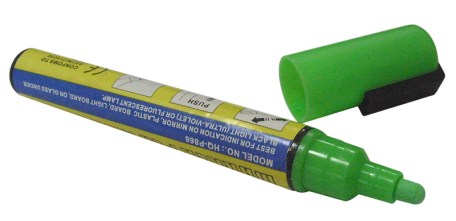
The Mighty Board Marker
Where would any teacher be without a board marker? Sometimes this little tool can be forgotten with the overkill of Powerpoint. Remember, simple ideas can make learning easy.
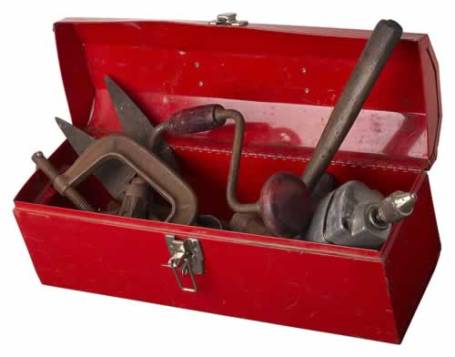
‘It’s not about the tools but the toolbox’. This was a statement Dave Rogers posed on his blog last week. It is quite tricky as every teacher has different views on what they need to be successful and to help their everyday lives. Dave was clever to state that no matter how many tools we have – it all depends how good the toolbox is. In other words, how good the teacher is at using the appropriate tools! As a very keen guitarist I used to get annoyed with fellow musicians who would be picky about what equipment they used – if you are a good musician the talent will always shine through no matter what you use. Of course a better guitar does have a better sound but essentially the key to the sound is the player! This is part one of two on the tools that I would have in my teacher toolbox.
So, what tools would my toolbox hold:
Working Together
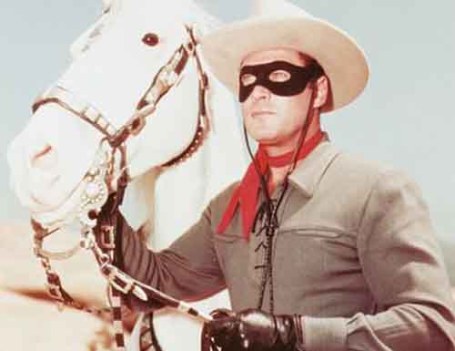
Teaching can sometimes be a lonely job, with yourself up against thirty students challenging you. It can sometimes feel you are the Lone Ranger but that is not so. Using people around you can make your life much easier especially when you need help or guidance. For a young teacher this is possibly the best tip I can pass on…talk to those around you. I have worked in some great departments where working together and sharing ideas/work loads makes everybody feel important and better about themselves. The success of a department should improve too with more minds working together then one. The work – life balance is very important and should never be forgotten!
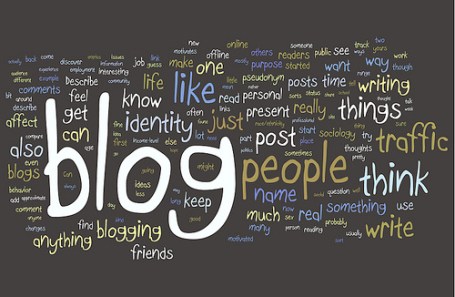
Blogs
For the last few years I have found blogs a great source to further my understanding and learn new skills as a teacher. I have always said that a teacher never stops learning. Just like our students we as teaching practitioners are constantly learning new techniques on improving our methods we use in the classroom. This is part of the reason why I love teaching, it is never dull and is a challenge I relish on a daily basis. Out on the ‘Blogosphere’ are some brilliant writers who share their teaching experiences, daily routines, ideas, schemes of work, lessons…you name it and teachers are writing about it! Reading about someone else’s experience can create and add to your armoury of activities.
Technology
Geography has prided itself on using technology where possible to improve our lessons and the student experience. I am never too far away from my laptop as I find it a great help with many of my lessons. As a geographer Google Earth and Google Maps have the best free Geographical Information Systems (GIS) software available. For students who need to include GIS in their coursework at Key Stage 4 and 5, this is the best start and easiest solution. Most students have access in some format to a computer and Google Earth/Google Maps can be used from a very early age giving them the skills and presentation techniques they need later on in their school career. Simple activities like spinning the globe round or locating places in the world from your location can make a young person make a sense of their place in the world.
Variety of Activities
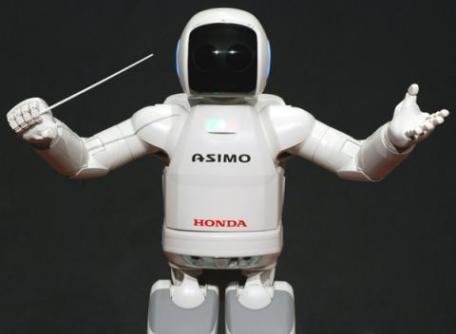
We must keep teaching exciting for ourselves and learning fun for our students. The aim of all teachers should be the students doing 70% of the teaching – we just need to be the conductors of an orchestra. A variety of activities with a clear objective and learning outcome will help. Lets get planning!
I received an email this week from Harry Cymbler, Director of Hot Cherry, the independent, award winning digital PR and social media agency in London who are promoting Oddizzi. I was very excited by this email and clicked straight away onto their website. I was instantly amazed by the resources made available by Oddizzi for primary schools.
What is Oddizzi?
Oddizzi is an exciting new website (just launched!) for primary schools that instantly brings the world to life in the classroom. It is a bright and refreshing resource full of clever features and games that encourage children to want to learn about their world.
The clip below is part of their online promotion; it is an amusing take on the popular 80’s game show Child’s Play hosted by Michael Aspel which challenged members of the public and a celebrity to work out what primary school children were describing. Sadly, I am old enough to remember Child’s Play!
In the Oddizzi clip, geography knowledge is tested among primary students from Holy Trinity School Richmond, London with some amusing responses: ‘Falafel is some sort of Anteater’, ‘In Greenland they eat Green grass,’ ‘Dead Sea is black and mouldy’ and ‘a Yurt is an upper class person saying the word ‘yoghurt’.
Created by former primary schoolteacher Jenny Cooke, Oddizzi is an online teaching resource that supports cross-curricular learning at stages EYFS, KS1 and KS2 and features a free child-friendly interactive map and news feed. In addition, there are 500+ pages of interactive content, over 1000 images, online ‘ClassPals’ that enables classes to link with each other nationally and internationally, geography games that test global knowledge, and a bank of creative lesson ideas and activities for teachers to use that take geography across the curriculum.
Personally, Oddizzi looks to be a flexible resource that offers many different activities and topics promoting geography within the classroom. It is a very well thought out resource where your comments as a teacher seem to be encourged to improve their site. Oddizzi is an innovative and interactive online resource that is using todays technology brilliantly but teaching the National Curriculum at the same time – not an easy task! Oddizzi provides an affordable online resource and will be funded by a subscription model with a launch price£155 a year. It is also available for a free 21 day trial. A bargain if I have ever seen one.
I would be very keen to hear from any schools that are currently or are going to use Oddizzito learn more about the benefits it offers. Great stuff is happening out there online – keep it up geographers, together we can all work together to improve, develop and make sure geography deserves its place in the curriculum.
It is with great pleasure to announce that nominations and votes are open for the Education Blog Awards for 2011. I am very pleased to say that I have been nominated and have received votes from the readers out there in the blogosphere! Thank you!
Why do I write a blog? Since I started writing my blog in January 2010, I have learnt and shared new ideas from many different teachers. I really enjoy sharing ideas with other practitioners and learning a new technique or way of doing something. Sometimes we are left to our own devices and perhaps we should be talking and sharing resources on a more regular basis.
For the last few years I have found blogs a great source to further my understanding and learn new skills as a teacher. I have always said that a teacher never stops learning. Just like our students we as teaching practitioners are constantly learning new techniques on improving our methods we use in the classroom. This is part of the reason why I love teaching, it is never dull and is a challenge I relish on a daily basis.
Out on the ‘Blogosphere’ are some brilliant writers who share their teaching experiences, daily routines, ideas, schemes of work, lessons…you name it and teachers are writing about it! Reading about someone else’s experience can create and add to your armoury of activities. Some of the best writers out there are Ollie Bray, Dave Rogers and Alan Parkinson who I wholly recommend on reading. It is also a great opportunity to network with other teachers around the world.
If you would like to vote for a blog – please follow the link here on at the top right hand corner which will take you to the Education Blog Awards website to cast your vote. Good luck to all the bloggers out there!
With an ever changing world, it is time for our geography curriculum to change. Since joining Gillingham School in September 2009, we have rewritten the GCSE course and made amendments to our A’Level course. Now that they are finally written, we have turned our attention to Key Stage 3.
Key Stage 3 is the building block of geography in every secondary school. It is where some students are only just learning the subject for the first time and building upon the foundations of their learning at KS2. We are turning KS3 upside down on its head at Gillingham School and shaking it for the first time in several years. We already have a very large uptake at GCSE and the students enjoy their lessons. We feel that it is time for a change, to gain the skills and knowledge required at KS4 and beyond, a new layout must be put in place.
Currently we teach five/six topics across each year. With students being more interactive and demand for knowledge, we have decided to go for a format of eight separate topics of eight lessons each. We currently teach four lessons over a two week timetable. This means topics will interchange at a fast rate, we won’t get bogged down in one topic and it keeps it exciting for students.
It also means we can dip out of the curriculum when we need to – eight topics x four weeks = 32 weeks out of 39 teaching weeks. When there are world events like the current crisis in Japan we can take time out to look at them and improve the students’ knowledge.
The only problem is, what topics do we teach?
This week we have been looking at our current topics and deciding on what we each would like individually to teach if we had a clean slate. Our next meeting together we will be looking at all our choices and formulating a new curriculum – exciting times! The themes have ranged from traditional geography like settlement and population to new ideas like tribes, cultures and why Africa is disconnected?
The new system will also allow us to look at events such Fairtrade Fortnight, World Aids Day, Geography Awareness Week without the worry of time. I will keep you all up to date with our progress and choices. All suggestions greatly received.
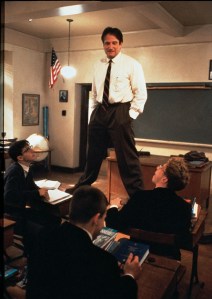
Over the Christmas holidays I was going through my DVD library at home and it got me thing about the importance and usefulness of films in education. I do use films in my lessons as I find the footage and content can convey a message that can help a students understanding. Back in January 2010 I wrote about this very issue on my blog and for Sec-Ed in April 2009.
I have always been using documentaries and footage from DVDs and videos in my lessons but I had not realised what films could offer. It got my mind racing on different aspects of films that could be shown to pupils within different subject areas. I soon realised that films could enhance and develop a pupils learning and encourage them to be life long learners.
Films can enhance a lesson and excite a young mind with their powerful and thought-provoking subject matter. My good friend from my Southampton University days, Dr. Pietari Kaapa of the University of Nottingham, has stated that, ‘cinema as both a popular form of entertainment and a means of artistic and political expression, is a crucial area of classroom teaching. The pedagogical potential of film provides an immediate and invigorating addition to established lesson plans, while the history of the medium and its contextual socio-cultural relevance function as sources of study in their own right.’
As a Geography Teacher I have used a wide variety of different films to help show and back up key terminology or sometimes complex geographical features. The world today has created a generation of young people with very active minds. The days of a teacher in a classroom talking for 50 minutes are long gone and would not generate much enthusiasm from today’s young learners. Interaction and variety is what is needed to engage learners and film is one medium that can grip a young person’s attention. Film can enthuse and generate much debate and help a learner.
Pupils are requested to use and take part in different types of media within their learning from the National Curriculum. Films like music should be encouraged to be used within the classroom. My good friend and former flatmate, Nick Hargreaves, of Radipole Primary School in Weymouth, Dorset, believes that ‘films are a really valid text as much as books. With the National Curriculum we have to look at various types of media within a child’s learning and film is one way. Films are not always easy to understand and it does take time sometimes for a young learner to fully understand the complexities of a film like the music changing in relation to the mood of the film.’ As we are aware there are three types of learners; visual, auditory and kinesthetic. A film is one medium that incorporates all three learning styles and can hold the attention and pass on knowledge and understanding to all three main learning styles. Nick Hargreaves says ‘film takes into account how a learner learns…it attracts the three main types of learners and engages all of them in one sitting. It reaches out to all target levels especially boys’.
I remember reading Great Expectations at school and found watching the David Lean adaption a much-needed guiding hand when it came to revising for the GCSE. A film may not always be true or correct, but in the right hands, us as teachers, we can filter out the bad and use the great pieces of film there is out there waiting to be used.
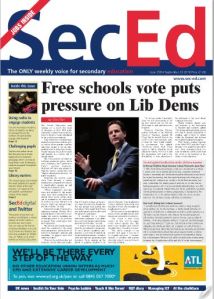
Today I have an article printed in Sec-Ed. Sec-Ed is the UK’s only freenational education paper that is sent to every school every week. I am a massive fan of this paper and love to read the stories and articles that appear every week. I have been lucky to have had some articles printed by Sec-Ed over the last two years. The article was based on the idea of ‘what tools does a teacher need?’ This was quite tricky as we all have different ideas but I hope you get the idea!
I really enjoy sharing ideas with other practitioners and learning a new technique or way of doing something. Sometimes we are left to our own devices and perhaps we should be talking and sharing resources more often.
The main tools I focused on were;
Blogs
Working as a team
Thinking outside the box
Enjoy your lessons
Assessment for Learning (Afl)
Reflective teaching
The full article can be accessed here. I hope you enjoy the read! Many thanks to Pete Henshaw, Editor of Sec-Ed, once again for printing my article – cheers!






















 miketidd.uk